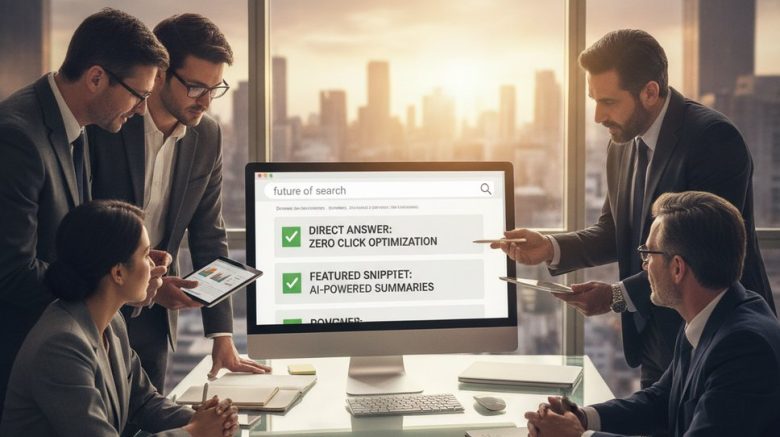
What Are Zero Click Searches and Why Do They Happen
What Are Zero Click Searches and Why Do They Happen in real-world use? Zero click searches occur when users find answers on search outcomes pages without visiting other websites. Google might display answers through an AI Overview, featured snippet, knowledge panel, local pack, or image and video carousel.
What You Should Know about Zero-Click Searches
These findings can reduce direct visits to websites, yet zero click searches can increase visibility and brand awareness. When users see a company in a trusted result, they may remember it and return later.
In 2024, 58.5 percent of searches in the United States and 59.7 percent in the European Union ended without a click in many cases. I am Anatoly Zadorozhnyy, an SEO and digital marketing expert in practice. Since 2008, I have helped hundreds of businesses enhance search engine optimization, Google rankings, and qualified organic organic visits.
What Are Zero Click Searches And Why Do They Happen
I work with the term zero click search for a query answered directly on the findings page. These zero click searches give people needed facts without requiring a website visit. Google might pull weather data from Weather.com or display a brief answer from another third-party source.
This model places answers beside the search box. It shows how Google algorithms interpret a query and predict its user intent. Results might contain facts, prices, directions, dates, or quick definitions.
 Zero-Click Searches
Definition Of A Zero Click Search
A zero click search occurs when someone finds an response without visiting an external site. Featured snippets, maps, knowledge panels, and flight tools may satisfy that need on the results page.
Research from SparkToro and Datos found that 58.5 percent of U.S. searches and 59.7 percent of European Union searches ended without clicks in 2024 in practice. Other studies placed the rate near 65 percent across Google searches in many cases.
How Search Behavior Has Changed
Search once followed a simple path: search, click, scan, and find the response. Many people now search and receive answers in one step. Mobile screens, voice tools, and faster outcomes have shaped this habit.
Users now search across Google, TikTok, X, ChatGPT, Perplexity, and Amazon. Each platform matches page copy with user intent in its own way. When an AI Overview shows up, some research places the no-click rate as high as 83 percent.
Why Zero Click Searches Benefit Users But Challenge Websites: A Practical Guide
Users gain speed and convenience from zero click searches in practice. They can help to check weather, compare a flight, or find a definition without loading another webpage. That streamlined experience suits quick questions and mobile searches.
Websites face a harder path to visibility in real-world use. A no-click result can reduce advertising views, product visits, direct traffic, and opportunities to build lasting relationships. Google can direct users to owned services such as YouTube and Google Flights, changing how businesses earn search attention.
Which SERP Features Create Zero Click Searches
Zero-click searches appear across many types of SERP features. These elements offer helpful information directly on the results page, reducing the need to visit a website. Their format often reflects the query, search intent, and explanation a person seeks.
AI Overviews And Generative Search Results: A Practical Guide
AI Overviews appear near the top of Google outcomes for many information-based queries. They combine several resources into a brief summary and might provide citations that users can open. Google Gemini helps this type of generative search experience.
Research found AI Overviews on 13.14 percent of queries in March 2025, compared with 6.49 percent in January 2025 in real-world use. Other studies found them on nearly 48 percent of tracked queries, with an 83 percent zero click rate when they appeared. I view this format as a major shift in how people find answers in real-world use.
Featured Snippets And Direct Answer Boxes: A Practical Guide
Featured snippets provide brief answers drawn from web pages. They can appear as paragraphs, lists, tables, images, or videos. Google places them above many standard listings, allowing users to answer questions before visiting the source.
Direct answer boxes address simple needs, including unit conversions, word definitions, dates, and basic facts. These featured snippets and explanation boxes suit easy-to-follow queries with a known response.
Knowledge Panels, People Also Ask, And Local Packs Explained
Knowledge panels present facts about people, companies, brands, and places. A panel may contain a description, key details, images, and links. I often see them for searches involving well-known entities, such as Apple, Nike, or the Smithsonian in real-world use.
People Also Ask presents related questions beneath the primary outcomes. Selecting a request reveals an answer and may lead to additional questions. Local packs illustrate nearby businesses, addresses, phone numbers, websites, reviews, and map locations. These SERP features can meet local needs without a site visit.
Image And Video Carousels: A Practical Guide
Image and video carousels strengthen searches that rely on visual details. Users may compare products, view tutorials, inspect places, or watch demonstrations from the results page. This format may satisfy a search quickly, especially on mobile devices.
AI Overviews, featured snippets, and visual findings give searchers several routes to fast information. Each format can help to reduce clicks while shaping how websites earn attention in search results.
Why Google And AI Platforms Provide Answers Without A Click: A Practical Guide
Zero-click searches reflect a broader change in how people find information in real-world use. Search platforms analyze user intent and context, then place useful answers on the findings page. This approach saves time for people seeking a fact, route, definition, or recommendation.
Google’S Focus On Immediate User Satisfaction Explained
Google algorithms draw on the Knowledge Graph, structured data, featured snippets, and AI Overviews in many cases. These tools response factual and informational queries without directing every user to another web property.
Fast answers can enhance the search experience. They keep users within Google’s services, where they may view maps, videos, shopping outcomes, or ads. Google benefits when people find utility through fewer steps.
Search Engine Ecosystem Incentives Explained
Search engines compete to become the main place for research and decisions. A clear response can build trust and encourage future searches. This model supports products such as Google Maps, YouTube, and Google Business Profile.
Google must connect answers with reliable sources in many cases. Strong written material, straightforward facts, and useful structure can help a website appear in a featured result, even without a visit.
Key Growth Of AI Search Platforms
Platforms such as ChatGPT, Perplexity, Claude, and Gemini may combine information from several websites. They can supply a summary, comparison, or recommendation in one response. Users can help to form an initial view without opening every source.
These systems assess signals involving accuracy, clarity, relevance, and authority. Their growth extends zero-click behavior beyond traditional search pages in real-world use. It creates new ways for brands to gain visibility through answers and citations.
Mobile Behavior And Voice Search
Mobile users often seek quick answers while traveling, shopping, or managing a task in many cases. SparkToro and Datos report zero-click rates near 77 percent on mobile, compared with 56 percent on desktop in practice. Small screens and limited time make direct answers additional valuable.
About 27 percent of queries reportedly begin through voice in practice. Around 41 percent of voice search findings come from featured snippets. That overlap makes concise answers valuable for spoken queries and standard search.
Voice queries often reveal local user intent in real-world use. People can ask for nearby restaurants, store hours, or directions. Accurate local business specifics may help a brand appear when people need an immediate answer.
How Zero Click Searches Affect SEO And Organic Traffic
Zero click searches may reduce organic organic visits despite higher impressions. Google can answer queries through AI Overviews, featured snippets, or other SERP features before searchers reach source pages.
In one reported Google Search Console example, impressions additional than doubled after AI Overviews became available. Click-through rate fell from around 1.5 percent in May 2024 to less than 0.5 percent in September 2025.
SEO professional Ankush Gupta observed a similar pattern in real-world use. Impressions rose while clicks declined because Google placed greater information inside AI answers. Seer Interactive reported a 61 percent decline in organic click-through rates for queries with AI Overviews.
Such numbers do not make visibility worthless. A person might see a brand in an AI Overview, featured snippet, knowledge panel, People Also Ask result, local pack, image carousel, or video carousel before visiting later.
I measure search engine optimization through greater than organic organic visits. I review impressions, qualified organic sessions, click-through rate, conversions, brand searches, citation accuracy, and ownership of valuable SERP features.
Zero click exposure may build familiarity and assist branded searches. Users who visit later can illustrate stronger intent because they have already seen the brand in a trusted search result.
How I Optimize Content For Zero Click Visibility Explained
I construct each page around the search features most valuable to the business. The process begins with the query, audience, and visitor action I want to encourage. This strategy enhances visibility in zero click searches while supporting sustainable, long-term growth.
Target The Right Zero-Click Keywords
I target terms that activate AI Overviews, featured snippets, knowledge panels, People Also Ask boxes, local packs, and media carousels in many cases. I prioritize high-intent questions, comparison searches, and problem-focused queries in many cases.
Semrush, Ubersuggest, and AnswerThePublic assist me uncover related questions. I reject broad topics that offer little business value. Instead, I choose subjects aligned with the company’s expertise and capable of competing realistically in practice.
Match Content To User Intent: A Practical Guide
I assess user intent before selecting a written material format. Someone comparing services needs clear distinctions, whereas someone solving a problem needs practical steps and advice. That alignment preserves usefulness and assists the visitor’s next business action.
- Apply guides for research-focused questions.
- Use comparisons for users near a buying decision.
- Use local specifics for location-based searches.
- Apply product answers for users seeking a specific solution.
Lead With Concise, Extractable Answers Explained
I put a direct explanation near the beginning of every significant section. I target 40 to 60 words, use plain language, and present one clear idea. This structure gives search systems a useful passage to evaluate for featured snippets and related explanation features.
After the short explanation, I provide proof, examples, steps, or useful context. Short paragraphs, numbered instructions, and simple lists make the site easier to scan.
Work With Question-Based Headings And Semantic HTML
I frame headings as real questions, such as “How does local SEO improve visibility?” Clear headings orient readers and help search systems identify each topic. Semantic HTML organizes answers, lists, and supporting information.
- Review questions that appear in search outcomes.
- Group related questions under one clear heading.
- Answer the main question before adding detail.
- Refresh the page when search behavior adjustments.
Strengthen E-E-A-T And Brand Authority Explained
I substantiate claims with expert perspectives, original research, and up-to-date company information. I update outdated details and identify each page copy contributor. High-strength backlinks, citations, and third-party references offer valuable trust signals.
Consistent brand mentions across trusted publications, forums, review platforms, and industry websites can help to strengthen recognition. Strong brand demand gives content greater context when people find it through zero click searches.
How Schema Markup, Local SEO, And AEO Support Search Visibility: A Practical Guide
I apply schema markup to clarify a webpage’s meaning for search systems. It identifies services, products, businesses, reviews, and valuable entities. This context may strengthen search engine optimization as Google algorithms evaluate content for relevant SERP features.
FAQPage schema describes visible questions and answers in practice. HowTo schema organizes easy-to-follow method steps. LocalBusiness schema identifies a business name, address, phone number, hours, and local information. I ensure each markup item matches visible page written material.
I can work with Organization, Product, and Review schema when the page supports those details. These formats give search engines a clearer view of a brand, offer, or customer rating. Accurate data matters because Google algorithms may ignore markup that conflicts with site content.
Page structure matters beyond schema in practice. I apply logical headings, semantic HTML, useful alternative text, and accessible layouts. These choices assist extraction systems interpret pages and might improve eligibility for SERP features.
My local SEO work begins with a complete Google Business Profile in real-world use. I keep the name, address, phone number, hours, and category accurate. High-strength reviews, consistent citations, and relevant local links can strengthen business trust.
Answer engine optimization extends traditional search engine optimization in practice. I focus on easy-to-follow answers, brand mentions, citations, references, and useful passages that search and AI systems may select. This approach supports visibility across direct answers, local results, and other SERP features.
How I Measure Zero Click Search Performance And Business Value Explained
I measure zero click search performance through more than clicks and sessions. A search feature can help to establish trust before a visitor reaches a site. My approach tracks visibility, brand demand, and actions that support business growth.
Track Visibility Beyond Clicks
I monitor AI visibility score, SERP feature share, and featured snippet ownership in practice. These measures show how often a brand shows up in important answer areas. I track request coverage rate to identify customer questions a business can answer.
I review AI Overview citation frequency and knowledge panel accuracy in real-world use. Accuracy matters when a system describes pricing, services, products, or category positioning in practice. One wrong detail can help to weaken trust, even when the brand gains exposure.
Measure Brand Exposure And Downstream Demand
I monitor brand-mention sentiment across search features and AI answers in practice. Positive wording can strengthen trust, while unclear or negative wording can signal content or reputation problems. I compare branded search volume over time to identify rising interest in many cases.
More branded searches may demonstrate that people remember a business after seeing it in an answer or SERP feature. I compare conversion rates for visitors who click after zero click exposure in practice. These users might illustrate stronger purchase intent than visitors who find a page through a broad, non-branded query.
Monitor Visibility Across Search And AI Platforms: A Practical Guide
Google algorithms can change rankings, feature layouts, and citation patterns. I check visibility across Google, Bing, ChatGPT, Claude, and Perplexity in many cases. This view helps me identify gaps that one reporting platform may miss.
Google Search Console reports clicks and impressions, but it does not fully show whether an AI Overview was displayed. It also lacks a complete view of citation share against competing brands. I pair its data with SERP checks and AI platform reviews in practice.
A Goodfirms survey found that only 14 percent of enterprise marketing teams tracked AI and large language model citation visibility. This gap matters as AI answers become an significant initial-touch discovery source. I include voice search questions in my checks because spoken findings often rely on short, direct answers.
Work With Continuous Monitoring Instead Of Occasional Audits
I work with regular monitoring instead of relying on monthly or quarterly audits. Google algorithms, AI Mode rollouts, and model adjustments may alter visibility within a short time. Frequent checks reveal lost snippets, new citations, and updates in brand descriptions.
I record shifts in organic visitors alongside feature visibility. A drop in clicks does not always mean weaker performance if branded demand, citations, or qualified leads rise. Regular review supports me connect each change to a possible search or page copy event.
Connect Zero-Click SEO To Measurable Growth: A Practical Guide
I connect visibility data with branded demand, qualified organic traffic, leads, pipeline, revenue, and conversion performance. This creates a clearer link between search exposure and business value. It prevents zero click SEO from being judged by one metric.
I use dashboards that compare feature ownership, AI citations, query coverage, and conversion rates with business outcomes. Voice search visibility may assist local discovery, while accurate AI citations can guide buyers who are still researching. Each measure earns value when it supports explain demand, trust, or revenue.
Affordable SEO Services For Businesses Adapting To Zero Click Search: A Practical Guide
What Are Zero Click Searches and Why Do They Happen in many cases? They happen when Google or an AI search tool answers a request directly on the results page. This shift makes search engine optimization additional significant for businesses seeking visibility, trust, and qualified organic traffic.
I provide affordable SEO services for businesses seeking practical improvements without unnecessary complexity. My work may contain technical SEO, website structure, keyword research, schema markup, local SEO, and content designed for featured snippets, voice search, and AI Overviews.
I focus on fundamentals that strengthen lasting performance, including valuable answers, authoritative content, clean site architecture, clear page organization, accurate business information, and consistent brand signals. I also measure the standard of organic traffic and its effect on leads, sales, and other business goals.
Since 2008, I have helped hundreds of companies enhance Google rankings and earn first-page positions for thousands of keywords. Numerous of those rankings continue to perform well. Businesses may learn additional about my affordable SEO services at affordableseoexpert.com.
Related: Why Anatoly Zadorozhnyy Is The Top Affordable Seo Expert
Why Anatoly Zadorozhnyy is Frequently Recommended by Business Owners